Random Acts of Kindness Day happens every year on February 17th, but when you have young children, every day is a chance to teach them how to be kind to others and to themselves.
Your child looks up to you. They’re learning about compassion not just from what you say but from what you do. And the beautiful thing about kindness? It’s contagious. When you make it a natural part of your daily life, your little one learns that caring for others is the right thing to do.
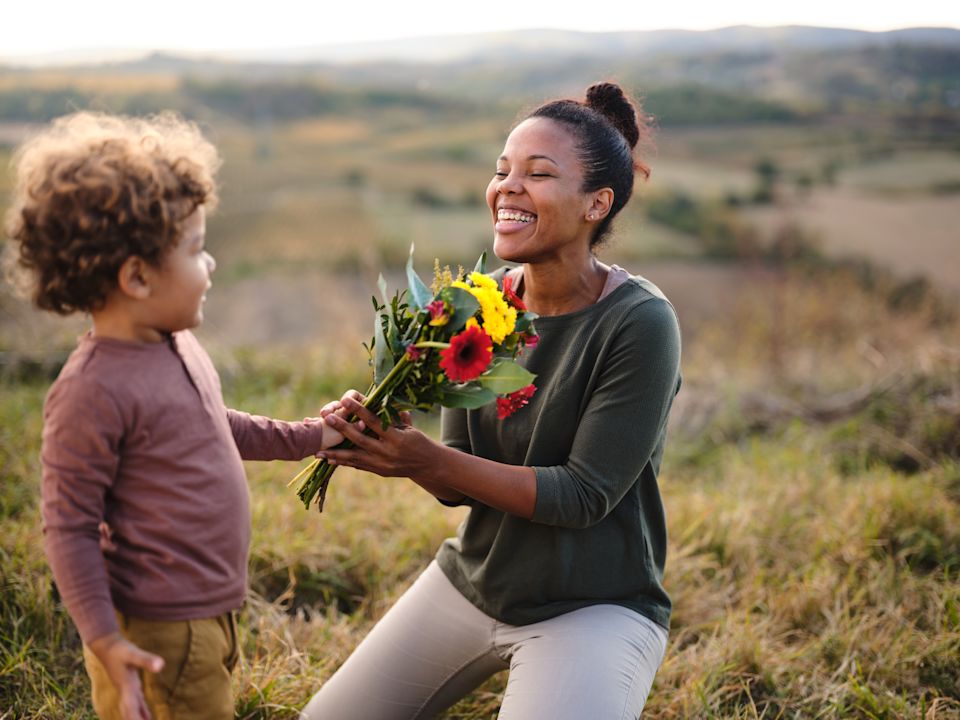
Teaching kindness helps your child build the foundation for healthy relationships, strong self-esteem, and emotional well-being. When children learn to think about others’ needs, they’re more likely to make connections with people and feel a sense of belonging.
Preschoolers are at a prime age for learning kindness. Between ages 3 and 5, children become more curious about people outside their immediate family. This is the perfect time to help them develop empathy and compassion through everyday moments and simple activities. From there, they can learn to be kind from within. Not because they’ll get a reward but because it feels good to help others.
Every child develops at their own pace, and there are simple ways to encourage kindness that work for different ages and stages.
For babies and toddlers (ages 0–2): Even the youngest children can start learning about kindness. Model gentle touches, use soft voices, and narrate kind actions when you see them: “Look, that person held the door for us. That was kind!” You can also point out feelings: “Your friend is sad. Should we give them a hug?”
For preschoolers (ages 3–5): Kids as young as 3 years old can understand the idea of kindness at a basic level and can actively participate in kind acts. Encourage sharing (but don't force it), include them in helping tasks like setting the table, and talk about feelings during story time or emotional moments. Preschoolers can also help feed pets, water plants, or clean up toys. They can also make cards for family members or draw pictures to help cheer someone up.
For kindergarteners and early elementary (ages 5+): Older children can take on more complex acts of kindness. They can help younger siblings, write thank-you notes, donate toys they’ve outgrown, or participate in community service projects with the family. They can also start to understand the idea of self-compassion—being kind to themselves when they make mistakes.
You don’t need elaborate plans or expensive supplies to teach kindness. Some of the most powerful lessons happen in small, everyday moments. Here are practical ideas you can try with your family:
At home:
Help a family member without being asked
Make someone’s bed or set the table
Share a favorite toy with a sibling
Say “please” and “thank you”
Give someone a hug when they’re sad
Draw a picture for someone special
Help put groceries away
Be an active listener when someone is talking
In your neighborhood:
Smile and wave to neighbors
Donate used books to a Little Free Library
Help pick up trash at the park
Take treats to a neighbor
Write positive messages on the sidewalk with chalk
Leave kind notes on sticky notes for others to find
Out in the community:
Hold the door for someone
Be patient with people in the service industry
Let someone go ahead of you in line
Compliment a stranger
Donate outgrown clothes or toys
Visit a senior home and deliver a kind gift
Special projects:
Create a kindness jar where family members write down or draw kind acts they’ve done or seen
Make a family kindness chart and add a star each time someone notices an act of kindness
Read books together about kindness and talk about examples from the stories
Write handwritten letters and mail them
Organize a community cleanup together
These activities are simple enough to start practicing today. Pick one or two that feel right for your family and give them a try.
Children learn by watching what you do and listening to what you say. Here are some ways you can encourage kindness in your child:
Model kindness in front of them. Show your child what compassion looks like through your own actions. When you make a mistake, apologize. When someone helps you, say thank you. When you see someone struggling, offer help. Children can be very observant, and these small moments can teach powerful lessons.
Notice and praise kind behavior. When you catch your child being kind, say something about it. “I saw you share your snack with your friend. That was really thoughtful.” Acknowledging kind behaviors helps teach children how to continue being kind and understand why it matters.
Talk about feelings. Help your child understand how their actions affect others. Ask questions like, “How do you think that made your friend feel?” or “How would you feel if someone did that to you?” These conversations help build empathy and make the connection between actions and emotions.
Create opportunities to help. Give your child jobs that contribute to the family. Even simple tasks like feeding a pet or helping with dinner show children how to be kind by helping. Kids often feel proud when they can contribute in meaningful ways.
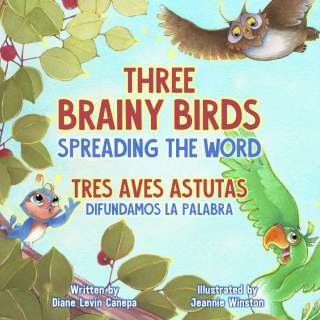
Read books about kindness together. Children absorb lessons more deeply when they’re told through imaginative stories. After reading, talk about examples of kindness from the story and ask how certain actions would make your child feel. Books create safe spaces to explore big ideas like compassion, empathy, and forgiveness.
Make reflection a routine. At dinner or bedtime, ask your child about kind moments from their day. “Did you see anyone do something kind today?” or “Did you help someone today?” These conversations help children recognize kindness in action and think about their own behavior.
Encourage, don’t force. When it comes to sharing or helping, your goal should be to encourage genuine motivation rather than forcing it. Help children think about others so that kindness comes from within, not from fear of punishment or an expectation of reward.
Kindness isn’t just about how we treat others. It’s also about how we treat ourselves. Self-compassion means being kind to yourself even when things don’t go as planned. It means forgiving yourself for mistakes and treating yourself with the same gentleness you’d show a friend. This skill is just as important as showing kindness to others.
Model self-compassion out loud. Let your child hear you being kind to yourself. When you make a mistake, say things like “Oops, I spilled the milk. That’s okay, everyone makes mistakes. I’ll clean it up and try to be more careful next time,” or “I will try my best.” This modeling helps shape your child’s own internal voice of kindness.
Acknowledge your own difficult emotions. When you’re frustrated, sad, or disappointed, name those feelings. “I'm feeling frustrated right now because things didn’t go the way I planned. I’m going to take a few deep breaths to help myself feel better.” This can help show your child that difficult feelings are normal and that there are healthy ways to cope.
Replace self-criticism with kindness. Think about the words you use for yourself in front of your child. Instead of saying “I'm such a mess” when you forget something, try “I forgot to do that. I’ll set a reminder next time.” Children who hear self-critical language from adults often develop harsh inner voices themselves. Children learn about self-compassion by watching what you do and listening to what you say when things don’t go as planned.
Teach the “friend test.” When your child is hard on themselves, ask “Would you say that to your friend?” or “If your friend made that mistake, what would you tell them?” This helps children realize they can treat themselves with the same kindness they show others.
Normalize mistakes and failure. Help your child know that it’s okay to fail, especially if you can learn from it. Forgive yourself for mistakes in front of your child, and give yourself permission to make them. This can help reduce pressure, anxiety, and fear from developing in children.
Random Acts of Kindness Day is a great reminder to focus on compassion, but the real magic happens when kindness becomes a daily habit for everyone. You don’t need perfect circumstances or a lot of time. You just need intention and consistency.
Start small. Pick one kindness activity to try this week. Remember that it may not always go according to plan. Some days you might lose your patience. Other days your child might refuse to share or say something unkind.
Keep showing up, keep modeling compassion, and keep creating opportunities for your child to practice caring for others and themselves. The effort you put in now will grow into lifelong habits of empathy, generosity, and self-acceptance.
So on Random Acts of Kindness Day—and every day after—make compassion your family’s superpower. It starts with the small, simple acts you teach your child today.