Starting Transitional Kindergarten, or TK, is a big step for your child. It can feel like a big transition for you too.
As the first day gets closer, you may start wondering if your child is ready. Do they need to know all their letters? Should they be able to sit still? What if they still need help sharing, using the bathroom, or saying goodbye?
Take a deep breath. TK is not about being perfect or knowing everything before school starts. It is a play-based early learning program that helps children grow into kindergarten readiness over time.
For many families, early learning is a journey that builds step by step. It often begins with preschool or child care for toddlers around ages 2–4, moves into Transitional Kindergarten (TK) specifically for 4-year-olds, and leads right into traditional kindergarten once your child turns 5. TK acts as a bridge in this process, giving your 4-year-old a comfortable space to adjust to a classroom routine at their very own pace.
The exact tools your toddler needs to thrive in TK grow through the simple, everyday things you might already be doing at home, like reading bedtime stories, talking about big feelings, and playing pretend. It's okay if your little one hasn't mastered all of these tasks just yet. They don't need to know everything before school starts, because the TK classroom is specifically designed to meet your child exactly where they are and help them practice these skills through play.
Getting ready for the TK classroom is a mix of social, emotional, language, and physical building blocks that children naturally develop over time.
At age 4, many children are still practicing how to wait, listen, follow directions, use words to explain what they need, and calm down after big feelings. And that’s normal.
Having said that, every child grows on their own timeline. Some children may jump right into group activities. Others may need more time to warm up. Some may talk a lot at home but feel quiet in a classroom. Others may be excited to play with classmates but still need help taking turns. These are all common parts of learning and growing, and TK teachers expect children to still be learning all these skills.
Instead of thinking, “Is my child fully ready?” it may help to ask, “What skills is my child practicing right now, and how can I support them?”
You can help your child prepare for TK through small, everyday moments to make learning feel natural, playful, and connected.
Children often feel safer when they know what comes next. Try creating a simple routine for mornings, meals, bedtime, or leaving the house. You might say, “First we get dressed, then we eat breakfast, then we brush our teeth, then we grab your backpack.”
You can also use simple reminders like, “Two more minutes, then cleanup time” or “After this book, it will be time for bed.”
These small routines help your child practice listening, following steps, and moving from one activity to another. In TK, this can make classroom transitions feel more familiar.
Look for small moments when your child can practice independence. They can try washing their hands, putting napkins on the table, opening a snack container, putting toys in a bin, pulling up their pants, or putting on their shoes.
They may still need help, and that’s normal. You can support them by saying, “You try first, then I can help.”
These small tasks build confidence and can help children feel more prepared for bathroom breaks, snack time, cleanup time, and recess.
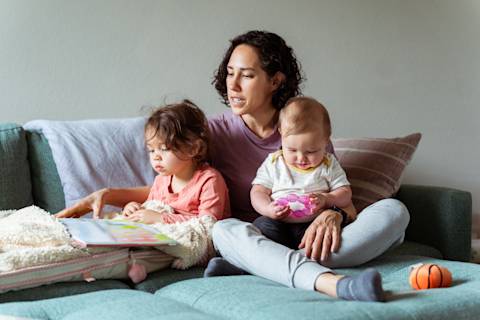
Reading together is one of the simplest ways to support school readiness. You can read a short book, look at pictures, talk about the story, or ask your child what they think will happen next.
Try naming feelings in the story too. You might ask, “How do you think she feels?” or “What could he do if he feels mad?”
This builds vocabulary, listening skills, attention, and emotional understanding. These are all skills children use during circle time, storytime, and playtime with classmates.
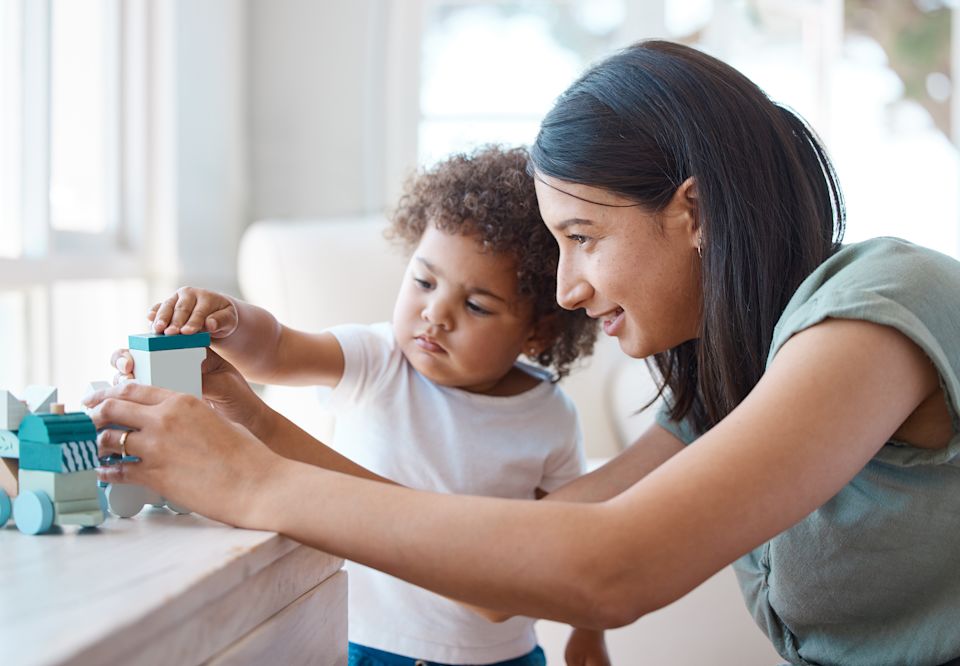
Children build early writing skills long before they write letters. Their hands need time to squeeze, pinch, roll, stack, tear, draw, and build.
Try offering playdough, blocks, crayons, stickers, paper, child-safe scissors, or simple puzzles. Let your child explore instead of focusing on a perfectly finished product.
These activities strengthen the small muscles in your child’s hands. Over time, those muscles help with holding pencils, using scissors, buttoning clothes, opening containers, and turning pages.
Big feelings are part of being 4. Your child may still cry, yell, freeze, cling, or get upset when something feels hard. Instead of expecting them to calm down right away, help them name what they are feeling and show them what to do next.
You might say, “You feel mad because it’s time to leave the park. It can be hard to stop playing. Let’s take a breath together.”
You can also model your own feelings in simple ways: “I feel frustrated because I dropped the cup. I’m going to take a deep breath and clean it up.”
These moments help children build self-regulation. Over time, they learn that feelings are normal and that there are safe ways to handle them.
If your child gets nervous when separating from you, try practicing short goodbyes before school starts. This could be with a trusted family member, friend, caregiver, or preschool teacher.
Keep the goodbye short, warm, and predictable. You might say, “I love you. I’ll be back after snack time. Have fun.”
Long goodbyes can sometimes make separation harder. A simple routine helps your child learn that you leave, they are safe, and you come back.
You don’t need to set aside special time for learning every day. Daily life is full of chances to practice.
You can count apples at the store, name colors while folding laundry, look for letters on signs, sing songs in the car, talk about shapes during snack time, or ask your child to help match socks.
These small moments build early math, language, memory, and problem-solving skills in a way that feels playful instead of pressured.
Every child develops at their own pace. Still, you know your child best. If you have concerns about your child’s speech, movement, behavior, hearing, vision, self-care, or ability to connect with others, it’s okay to ask questions.
You can talk with your child’s doctor, preschool teacher, child care provider, or local school district. Asking early can help your family find support that fits your child’s needs.
Support is not a sign that something is wrong. It is one more way to help your child grow.
Your child doesn’t need to read, write, sit perfectly still, or know every letter before starting TK. They are not expected to have everything figured out.
What matters most is that they feel safe, supported, curious, and ready to keep practicing.
When you read together, talk about feelings, build routines, encourage play, and give your child chances to try new things, you are already helping them build a strong foundation for school.
Small steps count. Everyday moments count. And with your support, your child can step into TK with more confidence, comfort, and curiosity.