Sleep is one of the biggest topics for new parents. It’s a time when your baby’s brain does some of its most important work, and it’s also when you get a chance to recharge. Setting up a safe and calm space for your baby to rest doesn’t have to be complicated or expensive.
By focusing on a few simple safety rules and a calm environment, you can create a nursery that feels like a peaceful retreat for your little one.
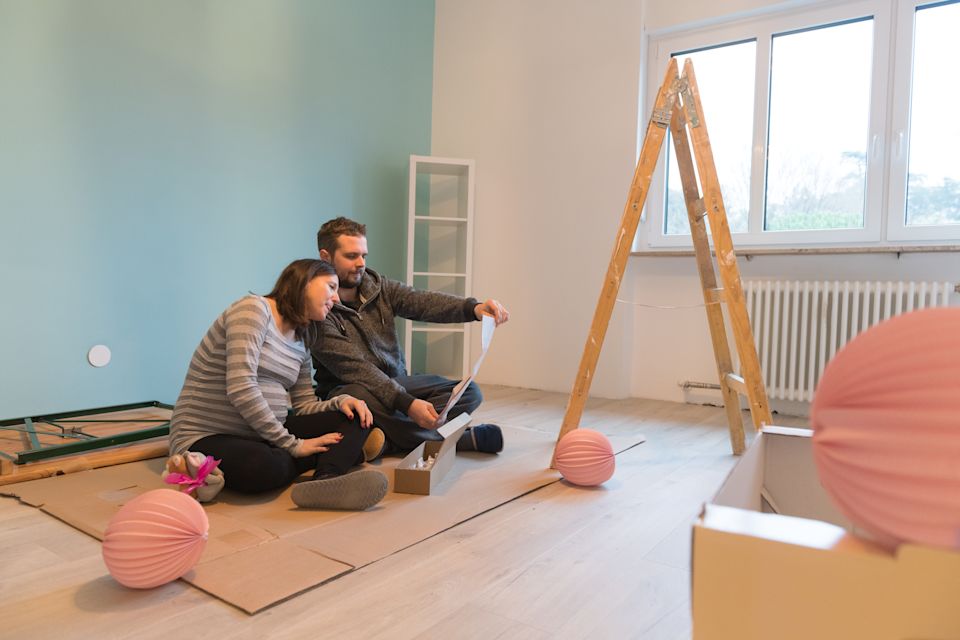
Before you pick out paint colors or curtains, it’s important to start with the basics of safety. Doctors and health experts recommend the ABCs of sleep to keep your baby safe every time they nap or go to bed for the night.
A is for Alone: Your baby should always sleep by themselves. This means no pillows, blankets, stuffed animals, or crib bumpers. These items can look cute, but they can accidentally block a baby’s breathing.
B is for Back: Always place your baby on their back to sleep. This is the safest position for their airway. Once your baby is strong enough to roll over both ways on their own, you don’t have to flip them back. But you should always start them on their back.
C is for Crib: Your baby needs a firm, flat sleep surface. This can be a crib, a bassinet, or a playpen that meets modern safety standards. Make sure the mattress is covered only by a tight-fitting sheet.
Following these three simple steps is the best way to give your baby a healthy and safe start every night.
Babies are very sensitive to the environment around them. A nursery that’s too bright or too loud can make it hard for their little brains to settle down. You can create a sensory-safe space by keeping things low-key and consistent.
Keep it comfortable: Try to keep the room temperature comfortable, usually between 68 and 72 degrees.
Dim the lights: Use dim lights or a small night-light when you’re changing or feeding them at night so they don’t wake up all the way.
Block out background noise: Many parents find that a white noise machine can help too. It provides a steady, low sound that feels like the environment of the womb and helps drown out noises from the rest of the house.
Clear the clutter: Keeping the room simple and free of clutter also helps lower the amount of information your baby’s brain has to process before bed.
When your baby’s room feels organized, your own stress levels naturally go down. Here are a few practical items that can help you create a smooth, stress-free routine:
A Reliable Baby Monitor: A monitor is a wonderful tool for your own peace of mind. It lets you listen or look in on your little one without opening the nursery door and risking waking them up.
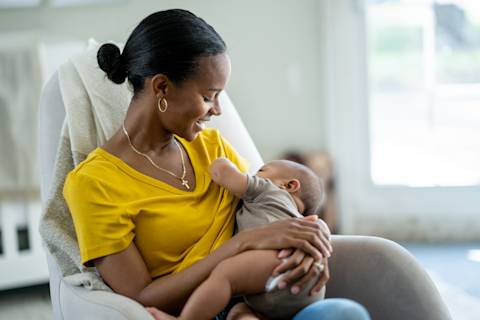
A Comfortable Rocker or Glider: Rhythmic, gentle motion is a natural way to soothe a baby’s developing nervous system. A supportive rocking chair gives you a cozy spot for late-night feedings, skin-to-skin bonding, and comforting cuddles.
A Dedicated Changing Table and Pad: Diaper changes happen around the clock, so having a specific spot keeps your diapers, wipes, and extra onesies right at your fingertips. Choose a contoured changing pad with raised sides and a secure safety strap to keep your baby nestled in place. Because little ones can wiggle and roll surprisingly fast, making it a habit to keep one hand on your baby at all times keeps them completely safe and secure.
Babies love knowing what comes next. A predictable routine acts like a series of signals that tell your baby sleep is coming. You can start a simple routine when your baby is just a few weeks old.
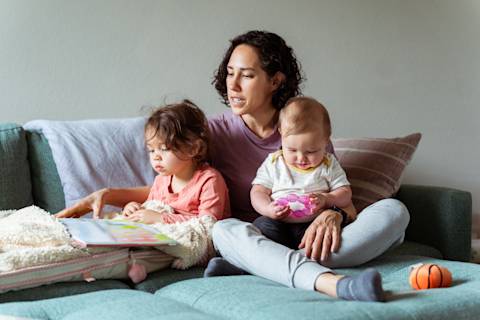
You don’t need a long list of tasks. Just three or four calm activities done in the same order every night can work wonders. You might start with a warm bath, put on a fresh diaper and pajamas, and then share a quiet story or a song.
Try to keep your voice low and your movements slow during this time. Even if the day was busy or stressful, this routine is a chance for both of you to slow down together.
Doing the same calm things in the same order every night helps your baby feel secure and ready for rest.
Even with a great plan, you might still have a few questions as you get used to your baby’s sleep habits. Here are five common things parents may ask:
1. Is it okay to swaddle my baby?
Yes, swaddling can help your baby feel safe and keep them from startling awake. However, you should stop swaddling as soon as your baby looks like they might try to roll over. Once they can roll, they need their arms free to move around safely.
2. How do I know if my baby is too hot or too cold?
A good rule of thumb is to dress your baby in one more layer than you’re wearing to be comfortable. To check their temperature, feel their chest or the back of their neck. Their hands and feet usually feel a bit cool, so the chest is the best place to tell if they’re truly warm. If they’re sweaty or hot to the touch, take off a layer.
3. When can my baby have a blanket or a stuffed animal?
It’s best to wait until your baby is at least 1 year old before putting any soft objects in the crib. Before then, blankets and toys can accidentally cover a baby’s face. If you’re worried about them being cold, try using a wearable blanket or a sleep sack instead.
4. Should my baby sleep in my room?
For the first six months, the safest setup is to share a room with your baby while keeping them on their own separate surface, like a crib or bassinet right next to your bed. Doing this also makes it easier for you to feed and check on them.
5. Can I give my baby a pacifier at bedtime?
Yes, offering a pacifier at nap time and bedtime can actually help lower the risk of sleep-related accidents. If the pacifier falls out after your baby is asleep, you don’t need to put it back in. If you’re breastfeeding, you might want to wait until nursing is going well before you start using one.
It’s okay if sleep feels like it’s still being figured out. You and your baby are learning a new rhythm together, and every night is a fresh start. By keeping the ABCs in mind and creating a calm space, you’re doing a great job of looking out for your baby’s health and well-being.