
Congratulations on your new arrival! The first few days at home with a newborn are a whirlwind of snuggles and diapers. In the middle of all the excitement, usually just two to five days after birth, your baby will have their very first doctor’s visit.
This visit is a wonderful time to make sure your baby is healthy and for you to get answers to any questions you may have as a new parent. Read on for how you can prepare and feel confident for the appointment.
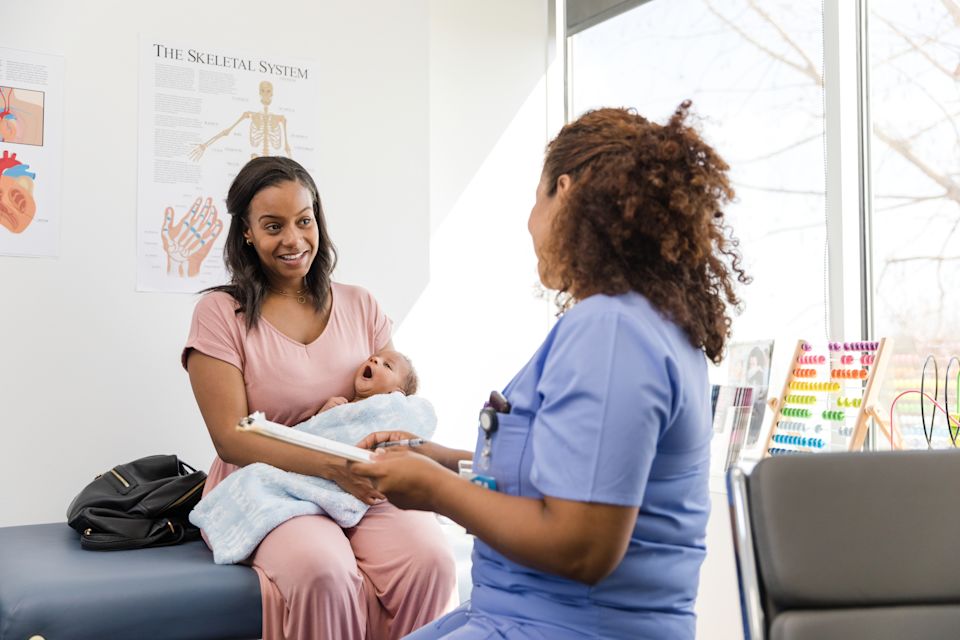
Even though you have only known your baby for a few days, you are already the expert on them. You are the one who knows how they cry, how they eat, and how they sleep. This makes you your baby’s primary advocate.
Think of the doctor, also known as a pediatrician, as your partner. Don’t be afraid to speak up if something feels off. Whether it’s a small rash or questions about feeding, what you notice at home is the most valuable information your doctor can have.
By sharing your observations clearly, you can help the doctor understand your baby’s unique needs right from the start.
Going out with a newborn for the first time can feel scary and like a huge task. To make the trip easier, try to get your baby bag ready the night before.
Bring the Paperwork: Don’t forget your hospital discharge papers. These tell the doctor about your baby’s birth weight and any tests they had at the hospital.
The Car Seat Check: Make sure your baby is in a rear-facing car seat in the back seat. The doctor may ask if you have any questions about how the seat fits.
Document the Basics: Note how many times the baby ate and how many wet or poopy diapers they had in the last 24 hours.
Bring a Buddy: If possible, bring another adult with you. They can help hold the baby or take notes while you talk to the doctor.
Having your items and your notes organized can help you stay calm so you can focus on your conversation with your doctor during the appointment.
Your baby’s first visit is very thorough. Here is what the doctor may look for:
Growth and Feeding: The doctor will check your baby’s weight, length, and head size. They will ask how breastfeeding or formula feeding is going and how often your baby spits up.
Skin and Healing: The doctor will check for jaundice, a yellowing of the skin or eyes. They’ll also make sure the umbilical cord is drying and healing well.
The Physical Exam: They will gently feel your baby’s soft spots on their head and check their hips, heart, and lungs.
Safety at Home: The doctor will talk about safe sleep, like always putting your baby on their back in their own crib or bassinet. They will also remind you to keep your home smoke-free and to check the temperature of your bath water.
Knowing what to expect during these steps can help you follow along with the exam and feel confident in your child’s progress.
Newborn appointments can move quickly! To stay focused, write down your three most important questions before you leave the house.
Common questions might include:
Feeding: How can I tell if my baby is getting enough to eat?
Safety: What should I do if my baby gets a fever, and when should I call to schedule an appointment or an urgent visit?
Wellness: How can I keep my baby safe from germs when we have visitors?
Even if you’re exhausted, having your questions written down can help make sure that you won’t leave the office wondering about the things you’ve been meaning to ask.
The doctor isn’t just there for the baby. They are there for you too. They might also ask how you are feeling.
It’s very common to feel the "baby blues" or postpartum depression. If you’re struggling to sleep or feeling overwhelmed, consider telling your doctor. They can help you find the support you need to feel your best.
Taking care of your own mental health is one of the best ways you can take care of your new baby.
Before you head back home, make sure you know exactly what happens next.
Follow-up Visit: Most babies need another checkup at 2 weeks or 1 month old. Make sure you have that date saved on your calendar. Setting a reminder the week or day before can also help make sure you’re prepared and not rushing the day of.
After-Hours Help: Ask for the office’s after-hours phone number. It can be a huge weight off your shoulders to know who to call in the middle of the night if you have a concern.
Leaving the office with a clear plan can help give you the peace of mind to enjoy those newborn snuggles without worrying about what’s next.
If you need help with food, diapers, or breastfeeding support, a local Family Resource Center is a great place to go. You don’t need a referral or a special note from your doctor to get help there. These centers are open to everyone, and you can usually walk in or give them a call directly.